Niche substance · living through it
Staying in the house, phase by phase
About half our clients stay put. It is usually cheaper than renting and always harder than expected. This is the honest version of what each phase feels like from inside the house.
Week zero
What goes in before anything comes out
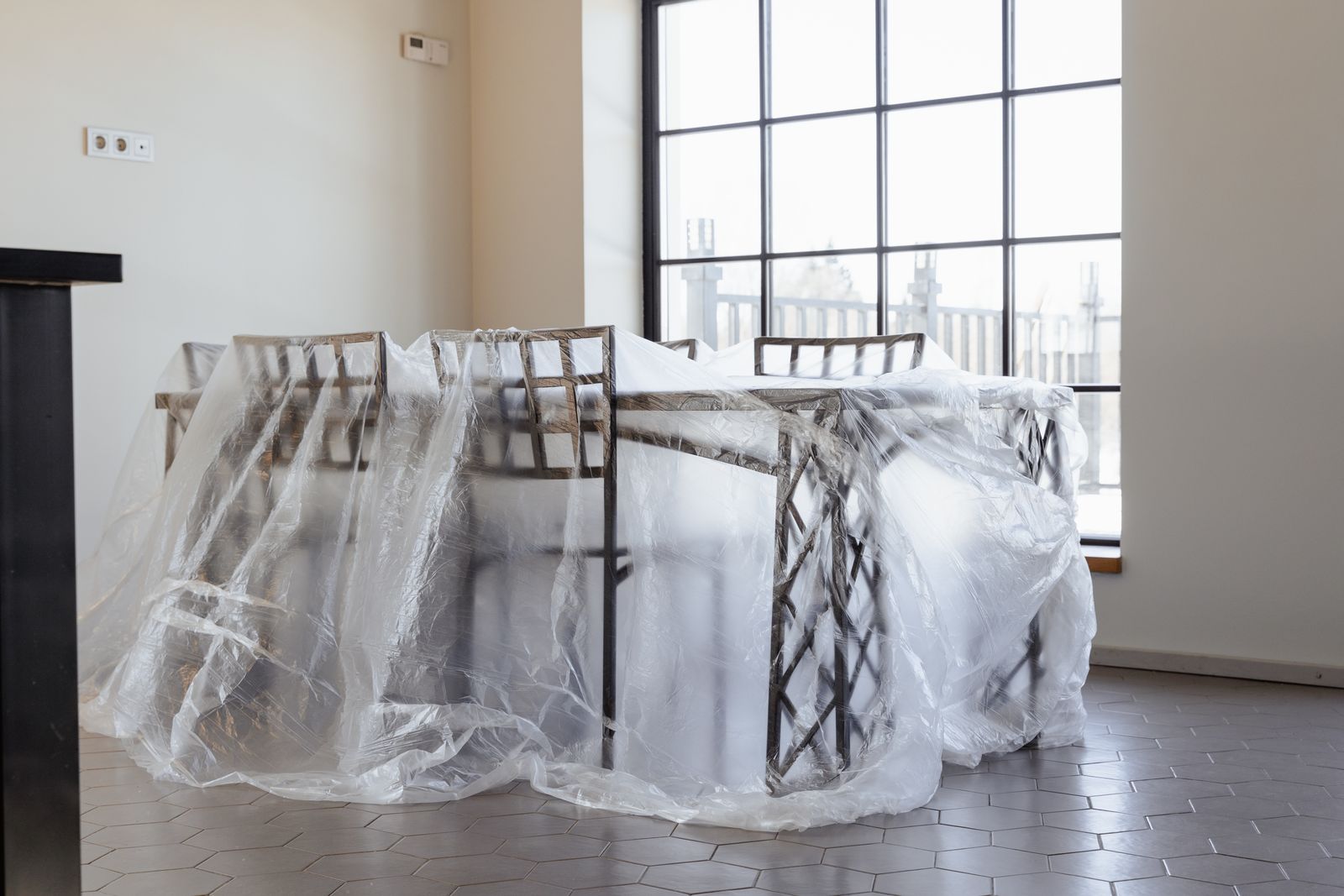
Containment is the single biggest difference between a renovation you can live through and one you cannot. All six of these are in place before the first wall is opened.
Zip walls at every boundary
Self-closing zippers, taped to floor and ceiling, at each opening between the work zone and the rest of the house. Not sheeting taped to a door frame.
HEPA negative air
A filtered machine holds the work zone at lower pressure than your living space, so air moves toward the dust rather than into your bedroom.
Sealed HVAC returns
Every return inside the zone is sealed. Otherwise the ducting distributes construction dust through the whole house within a day.
Protected route
Hardboard from the crew entrance to the work zone, taped at the seams, down until the punch walk.
Temporary kitchen
Sink with running water, the existing refrigerator relocated, microwave, two-burner induction plate, folding table with power. In before demolition.
One live bathroom
On multi-bathroom work we finish one room completely before opening the next. The household never loses every shower at once.
The whole schedule
Every phase, and what it costs you in comfort
Weeks are typical for a whole-home renovation on an occupied Eastside house. Yours will move, but the order does not.
Week 0
Containment and setup
Low dustLight, 8:00 am to 4:00 pmWhat goes offline
- One parking space on the drive, for the duration
- The room that becomes the temporary kitchen
You decide this phase: Where the temporary kitchen lives, where the dumpster sits, and which door the crew uses.
How to get through it
- Zip walls with self-closing zippers go up at every boundary between the work zone and the rest of the house, and the HVAC returns inside the zone get sealed so dust does not ride the ducts into your bedroom.
- A negative air machine with a HEPA filter runs in the work zone, keeping it at lower pressure than the living space so air moves toward the dust, not away from it.
- Ram board over every floor on the route from the door to the work zone, taped at the seams and left down until the punch walk.
- We set up the temporary kitchen before demolition: a laundry sink or utility sink, the existing refrigerator relocated, a microwave, a two-burner induction plate and a folding table with power.
Weeks 1 to 2
Demolition
Peak dustLoud, 8:00 am to 4:00 pm, with quiet hours we agree in advanceWhat goes offline
- Water to the work zone, intermittently
- Any bathroom inside the zone, permanently from day one
- Heating to the zone
You decide this phase: Nothing new. This is the one phase where the decisions are already behind you.
How to get through it
- This is the loudest and dustiest fortnight of the project, and it is also the shortest. Plan to be out of the house during the day if anyone works from home or naps.
- Pets go to daycare, a friend or a boarding kennel for the demolition days. Not a back bedroom. Demolition noise carries through the whole structure.
- Expect two or three brief water shut-offs while lines are capped. We give 24 hours notice and keep them inside a two-hour window.
- The dumpster arrives on day one and is swapped as it fills. We sweep the drive at the end of every swap.
Weeks 3 to 5
Structural and shoring
High dustLoud in bursts, concrete cutting on scheduled days onlyWhat goes offline
- The route past the shored area
- Power circuits serving the zone, on named days
You decide this phase: Whether any beam is flush or dropped. It has to be settled before the framing is closed.
How to get through it
- Temporary shoring walls appear on both sides of any wall we are removing. They are not decorative and they will be in the way. We will show you the path around them.
- Concrete saw cutting for a new footing is scheduled to specific days so you can arrange to be out. It is wet-cut, so the dust is low but the noise is genuinely uncomfortable.
- Expect the framing inspection in this window. The inspector needs clear access to the beam, the posts and the load path, which means the area stays open a few days longer than the carpentry does.
- If the house has a single panel, one or two circuits go down for a day while the electrician makes the new feed. We tell you which rooms.
Weeks 6 to 10
Rough-in and inspections
Moderate dustModerate, drilling and nail gunsWhat goes offline
- Hot water for a day during the water heater tie-in
- Gas for a day during the pressure test
- The second bathroom, once the first is finished
You decide this phase: Final locations for switches, outlets, sconces and shower valves. Walk the rough-in with us before drywall.
How to get through it
- Three trades work in sequence and then three inspectors visit, sometimes on the same morning. This is the phase where the schedule is most sensitive to the jurisdiction's inspection queue, not to our crew.
- Gas pressure tests mean the gas is off for the day, including the cooktop and any gas water heater. We schedule these on a day you choose where we can.
- On an occupied job we finish one bathroom completely before opening the next, so the household never loses every shower at once.
- Dust drops noticeably compared with demolition, but this is the phase with the most people in the house.
Weeks 11 to 14
Insulation, drywall and sanding
Peak dustLow, except board delivery dayWhat goes offline
- Nothing, but the zone is sealed tight
You decide this phase: Paint colours, confirmed against large on-site samples in both morning and evening light.
How to get through it
- Drywall sanding is the second dust peak and the finer of the two. The containment stays up and the negative air machine runs continuously, including overnight.
- Joint compound puts a surprising amount of water into the house. We run heat and dehumidification so it cures rather than sits, and you may notice the house feels damp for a week.
- Board delivery day is loud and needs the drive clear. It is one morning.
- Do not plan to have guests stay in this window. The fine dust migrates further than any other stage.
Weeks 15 to 21
Finish trades
Low dustLow to moderate, compressors and trim sawsWhat goes offline
- Rooms are handed back one at a time as they complete
You decide this phase: Hardware, light bulb colour temperature, and where the touch-up cans will live.
How to get through it
- The house starts to feel like a house again. Trim, paint, cabinetry, stone, tile, flooring and lighting overlap, so there are often four trades on site at once.
- Floors go down and immediately get covered in protection board. You will not see your new floor properly until the punch walk, and that is deliberate.
- Paint is low-VOC but the house still needs ventilation. On cold weeks that means open windows and a cold house for a few hours a day.
- Containment starts coming down zone by zone. Ask before you move furniture back in; finishes need cure time that is longer than dry time.
Weeks 22 to 23
Punch and closeout
Low dustQuietWhat goes offline
- Nothing
You decide this phase: Nothing. Put the furniture back.
How to get through it
- Final inspections happen first. Then we walk the whole job with you and write the punch list together, in one document, with a date against each item.
- A full construction clean follows, including inside cabinetry, above door casings and the window tracks.
- You get the closeout binder: permit card, inspection record, as-built markups, the finish schedule with product codes, appliance manuals, filter sizes and labelled touch-up paint per room.
- We come back at 11 months for a warranty walk, before the first year is up, because that is when seasonal movement has shown itself.
The two weeks to leave for
Demolition and drywall sanding
Demolition is the loudest fortnight and the coarsest dust. Drywall sanding is the second peak and the finer of the two, and fine dust migrates further than anything else on a renovation. Containment and negative air handle both, but neither is pleasant to sleep next to.
Between them, the house is genuinely liveable. Rough-in is the phase with the most people in it, and finish trades are quiet enough that most households stop noticing.
Tell us who is home and when
If you can only be out twice, be out for demolition and for drywall sanding. Those are the two dust peaks and the two weeks where staying gains you nothing. Second-storey additions are different: once the roof is off, you are out.
Board them or send them to daycare for the demolition days at minimum. Demolition noise carries through the whole structure, and a back bedroom is not far enough away.
Through rough-in and finish, usually yes with headphones. Through demolition, drywall delivery and concrete cutting, no. We schedule the loud operations to days you choose where we can.
Twenty-four hours, inside a two-hour window. The same applies to the gas pressure test day and any circuit that has to come down.
The crew locks up daily, the work zone is separated from the living space, and we agree an access method that does not involve a key under a pot.
After the punch walk. Finishes have cure times that are much longer than their dry times, and floor protection stays down until the last trade leaves.

Next step
Start with a walk-through, not a price
Ninety minutes in your house. We look at the crawlspace, the attic and the panel before we look at the kitchen, and you leave with a budget band you can plan around.